

Packing a Lightweight Day Bag for Changeable Weather
British weather rarely respects a plan. A bright morning beside a lowland river can turn into a cold, wet afternoon on an exposed ridge, and a forecast that promised “light showers” can deliver a steady drizzle for three hours. The trick is not to carry everything you own, but to pack a small day bag that lets you adapt quickly. With the right layers, a waterproof map case, sensible snacks and a lightweight emergency shelter, a short countryside outing stays comfortable even when conditions shift.
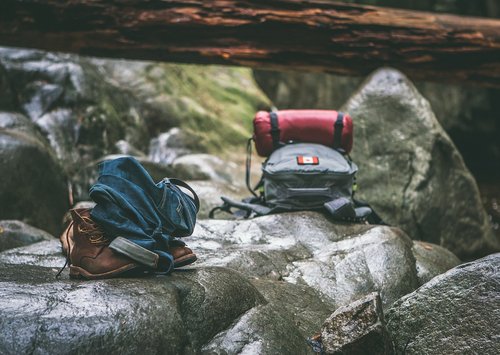
Choose a bag that carries well
For most day walks, a 20–25 litre rucksack is ample. It should sit close to your back, with a simple hip belt to take some of the weight and stop the load swinging as you climb a stile or cross a muddy field. Look for a bag with a rain cover or, better still, line the inside with a dry bag or a thick plastic liner. British rain has a way of finding the one seam that is not taped.
- Stable back panel and hip belt: keeps the bag from shifting when you bend under low branches or scramble over rocks.
- Side pockets: useful for a water bottle, but keep the map and snacks in the main compartment or a top lid pocket so they stay dry.
- Rain cover or dry liner: a cover protects the outside, but a liner protects everything if you set the bag down in wet grass.
Keep the weight low. A day bag should feel almost forgettable on your shoulders. If you are walking beside a river or along a valley path, remember that damp air and wind can make a mild day feel much colder than the forecast suggests.
Layers that work together
Think in three layers, not one heavy jacket. The aim is to stay warm when you stop, cool when you climb, and dry when the rain arrives. Cotton is the enemy here: once it gets wet, it stays wet and pulls heat from your body. Merino wool or a synthetic base layer is far better.
- Base layer: a short-sleeved or long-sleeved top that wicks moisture away from your skin.
- Mid layer: a lightweight fleece or thin insulated jacket that traps warmth. This is the layer you add at a viewpoint and remove on a steep pull.
- Shell: a waterproof and windproof jacket with a hood and taped seams. Over-trousers are worth the small extra weight if rain is likely or the path is overgrown.
- Spares: thin gloves, a warm hat and a spare pair of socks in a dry bag. Cold hands and wet feet turn a pleasant walk into a grim trudge.
Adjust before you sweat. If you start to overheat on a climb, remove a layer before your base layer gets damp. If you stop for lunch beside a river, put the mid layer and shell back on straight away. Changeable weather rewards small, frequent adjustments.
Navigation and waterproof map case
Phone batteries dislike cold, wet conditions, and signal is patchy in many valleys and upland areas. A paper map and compass remain the reliable backup. Keep them in a clear waterproof map case with a neck cord or in a map pocket. A map case lets you read the route in steady rain without unfolding the whole sheet and turning it into a soggy mess.
Before you set out, note the key features along your route: bridges, weirs, flood markers, gates and public footpaths. If the path follows a river, be aware that water levels can rise quickly after rain upstream. A route that was a gentle riverside stroll in the morning can be muddy, slippery and partially flooded by mid-afternoon. Know where you can turn back or take a higher path. Tell someone your intended route and expected return time, even for a short walk.
Food, drink and a hot flask
Changeable weather burns energy. Pack more food than you think you need, and choose things that survive being squashed. Eat before you feel hungry, especially if you are walking into a cold wind.
- Flapjack or oat bars: sturdy, energy-rich and unlikely to crumble into dust.
- Nuts and dried fruit: easy to nibble while walking and good for slow-release energy.
- A sandwich, pasty or cold slice: a proper savoury stop makes a real difference on a longer day.
- A flask: tea, coffee or soup adds warmth and morale when the drizzle sets in.
- Water: at least one litre for a half-day walk, more in summer or on exposed routes.
Keep snacks in a small dry bag or a sealed pouch. A soggy flapjack is still edible, but a wet map, wet gloves and wet matches are not much use.
Emergency shelter and small essentials
Even a short countryside outing can go wrong if someone twists an ankle or the weather turns. A lightweight emergency shelter is one of the most valuable items you can carry for its weight. A bothy bag or group shelter packs down small and gives immediate protection from wind and rain while you decide what to do.
- Bothy bag or lightweight bivvy bag: traps warmth and blocks the wind. Practise getting it out at home so you are not wrestling with it in a gale.
- Foil blanket: tiny, cheap and useful for wrapping around a cold companion.
- Headtorch: with fresh batteries. Afternoon light fades fast in wooded valleys and under heavy cloud.
- Whistle and small first-aid kit: include blister plasters, a bandage and any personal medication.
- Power bank and cable: keeps a phone alive for emergency use, even if you do not rely on it for navigation.
Pack these items where you can reach them without emptying the whole bag. In an emergency, you want the shelter and torch immediately, not buried under a spare jumper and a flask.
Pack, check, and head out
A simple routine makes a light bag feel effortless. Check the forecast and river levels before you leave. Pack the heaviest items close to your back, keep the waterproofs near the top, and leave a little room for layers you shed along the way. Before you close the rucksack, run through the essentials: layers, map case, compass, food, water, shelter, torch and first-aid kit.
Then get out and enjoy it. The British countryside is at its most atmospheric in changeable weather: mist rising off a river, rain shining on oak leaves, the smell of wet earth on a footpath. With a well-chosen day bag, you can walk through all of it comfortably, and still have room for a flask and a slice of cake at the end.
tag: Gear

Oliver Pemberton Author
Discover shaded trails where bluebells bloom, woodpeckers drum and mossy logs create a peaceful escape from busy town life.
YOU MAY ALSO LIKE
Exploring Quiet Footpaths Through Ancient Broadleaf Woodland
Aug 31
10Reed beds filter water, support nesting birds and protect banks from erosion, making them vital for balanced river and wetland ecosystems.
read more
The Role of Reeds in Healthy Freshwater Habitats
Aug 27
10Turn old wood, string and a plastic bottle into a useful garden feeder that attracts tits, finches and sparrows during colder months.
read moreWalks
-

ERRIC CATONA
Choose moisture-loving species like marsh marigold and ragged robin to create colour and support pollinators in heavy or poorly drained soil.
May 19, 2016 at 5.12 pm
Reply
ERRIC CATONA
Notice hedgerows, field patterns and old tracks to understand how geology, farming and history shape the paths beneath your feet.
May 19, 2016 at 5.12 pm
Reply -
ERRIC CATONA
Use root vegetables, hardy herbs and a good stock to prepare a simple meal that restores energy after hours in cold, damp air.
May 19, 2016 at 5.12 pm
Reply
Rivers
Your email address will not be published.