
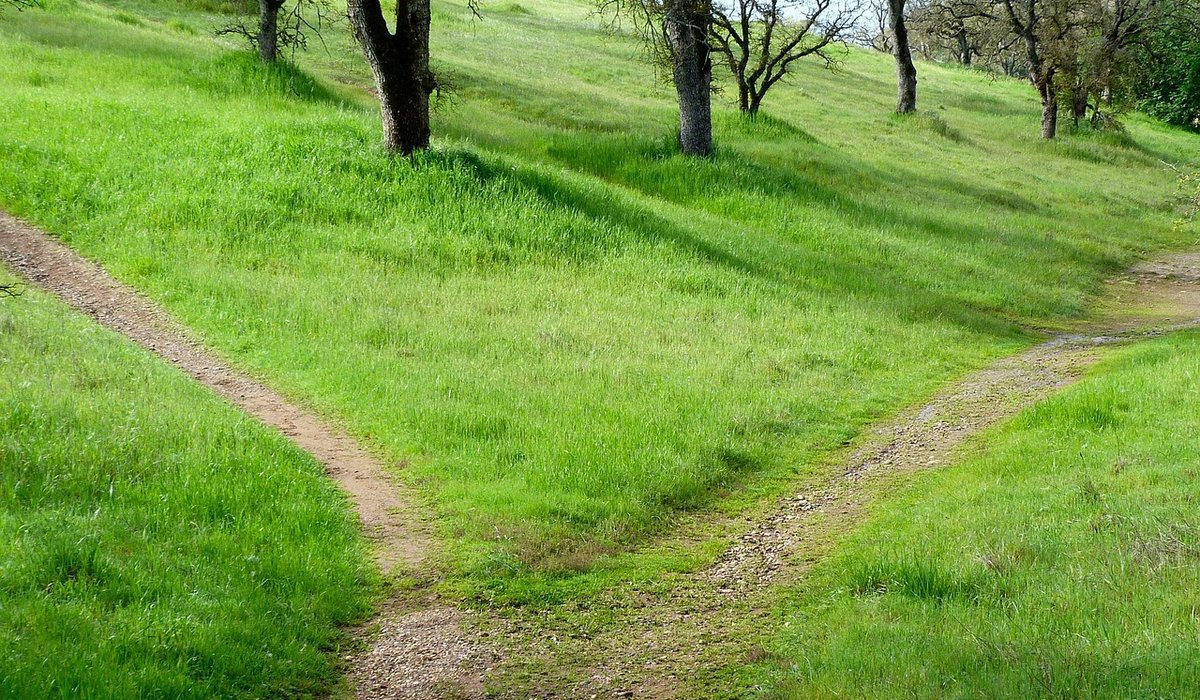
A Gentle Circular Walk Beside Ancient Willow Trees
A Walk for the Slow Afternoon
Some days call for a lung-burning trudge up a fell with a rucksack full of sandwiches. This is not that walk. This is the sort of gentle circuit you save for the afternoon when the light is going golden, the kettle has been emptied and there is nowhere in particular to be. It runs to roughly three miles, or a shade under five kilometres, on level ground throughout, with barely thirty metres of total ascent and a single stile to negotiate. Allow two hours if you walk briskly, three if you do it properly.
The route follows a quiet river valley through water meadows that have been grazed, never ploughed, for centuries. Because the land has been left alone, the hedgerows are thick and species-rich, the ditch flora is a joy in early summer, and the old willows along the bank have been allowed to grow into the gnarled, hollow, faintly theatrical specimens that give the walk its character.
Finding the Start
Everything begins at the village green, a triangle of close-cropped turf with a war memorial, a mature oak and a bench that has clearly been repaired more than once. There is a churchyard on the north side with a yew tree of genuinely ridiculous age, and a pub a short walk away if you fancy finishing with something cold.
Parking is roadside and limited, so arrive before eleven or after two if you can. Please leave the verge by the green clear for residents, and never block the farm track at the eastern end. The path is waymarked from the church lychgate with a yellow arrow, and the whole circuit is shown on the Explorer series map for the area. A paper map is still worth carrying — phone signal in the valley is patchy at best, and non-existent under the willow canopy.
The Route, Stage by Stage
- Green to meadow: cross the green and pass through the churchyard, exiting by a small hand gate into a walled lane. After 200 metres the lane becomes a grass track.
- Water meadow: a squeeze stile leads into open meadow. The path is mown but faint in places; keep the ditch on your left.
- Boardwalk section: a short timber boardwalk carries you over the boggiest corner. It can be slippery after rain — take it slowly.
- The willow reach: the path meets the river and turns downstream, running between pollarded willows and the water for just over a kilometre.
- The stone bridge: cross the bridge and turn immediately left onto the lane, following it uphill for a gentle five minutes.
- Return leg: a bridleway on the left cuts back across two fields and rejoins the lane below the church, closing the circle at the green.
Meeting the Willows
The willows are the reason to come. Most are crack willow and white willow, and several have been pollarded — cut back at head height on a rotation — which is why they wear that distinctive shaggy, multi-stemmed crown. Look for the hollow trunks: they are not dying so much as entering a second career as habitat. Owl boxes, bat roosts, beetle larvae, and a whole economy of mosses and lichens depend on them.
Stand quietly at the water's edge for ten minutes and the river will start to give things up. Grey wagtails bob along the shallows, a heron will lift off with that aggrieved croak, and in May and June the banded demoiselles dance over the nettles. Kingfishers are present but reliably uncooperative. If you see a flash of electric blue, count yourself lucky and say nothing to anyone.
The Old Stone Bridge
The bridge is the turning point of the walk and, for many people, the highlight. It is a three-arched structure of local limestone with triangular cutwaters on the upstream side — the pointed piers that split the current and ease the pressure on the masonry. Bridges like this were built for packhorses and carts, which is why the parapet is low and the deck is barely wide enough for one vehicle at a time. Give way, wave, and don't lean too hard on the coping.
Below the central arch there is a shallow gravel shelf where children have paddled for generations. It is a lovely spot for a flask, though the stones are uneven and the current, modest as it looks, deserves respect after heavy rain.
Practical Matters
- Footwear: walking shoes or low boots. Trainers will survive in a dry August, nothing else.
- Mud: expect it between November and March, especially at the boardwalk and the field gateways.
- Livestock: cattle graze the water meadow from May to October. Keep dogs on a short lead and give cows a wide berth, particularly with calves.
- Gates: several, all of the easy latch variety. Please close every one behind you.
- Season: the walk is at its best in late spring and early autumn. High summer brings nettles and midges; bring repellent and long trousers.
- Ticks: check yourself and dogs after walking through long grass.
- Water: the river is not a swimming spot — banks are poached and undercut, and there is no safe entry.
Making More of the Afternoon
If the weather is kind, this circuit is easily extended. A footpath continues upstream from the bridge for another two miles towards the next village, and the bridleway on the return leg links to a network of lanes that loop round the valley. For a shorter version, cut across the meadow at the second gate and rejoin the lane, trimming the walk to about a mile and a half.
Finish as you started: on the green, on the bench, with the light going soft over the water and no particular hurry to go home.
tag: Walks

James Whitaker Author
Learn patient observation techniques, best times of day and quiet fieldcraft to glimpse these brilliant blue birds without disturbing their habitat.
YOU MAY ALSO LIKE

Spotting Kingfishers Along Slow-Moving Lowland Streams
Sep 15
10Create a thriving haven with native plants, shallow edges and gentle slopes that welcome frogs, dragonflies and hedgehogs throughout the seasons.
read more
Building a Wildlife-Friendly Pond in a Small Garden
Sep 13
10Check local gauges, recent rainfall and flood warnings to plan safer walks beside brooks, streams and larger waterways after wet weather.
read moreWalks
-

ERRIC CATONA
Identify common hedgerow berries, wild garlic and nettles with confidence, while respecting local bylaws and leaving plenty for wildlife.
May 19, 2016 at 5.12 pm
Reply
ERRIC CATONA
Essential layers, waterproof map cases, snacks and emergency shelter can make a short countryside outing comfortable when conditions shift quickly.
May 19, 2016 at 5.12 pm
Reply -
ERRIC CATONA
Discover shaded trails where bluebells bloom, woodpeckers drum and mossy logs create a peaceful escape from busy town life.
May 19, 2016 at 5.12 pm
Reply
Rivers
Your email address will not be published.