
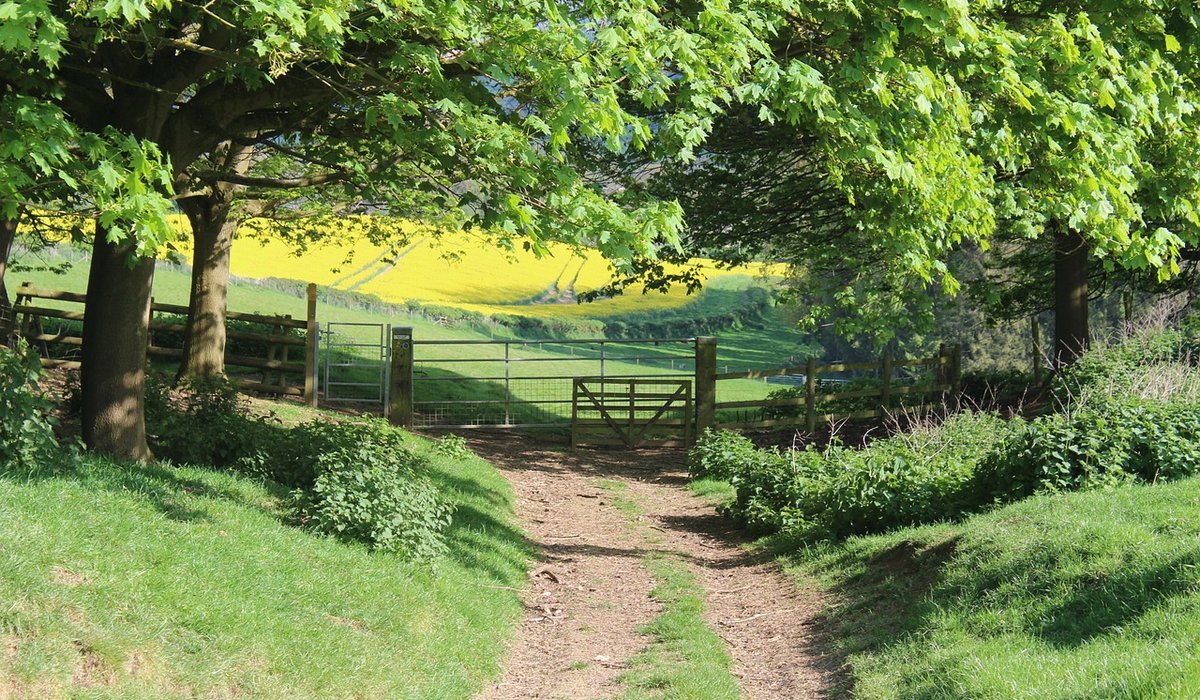
Choosing the Right Footwear for Muddy British Riverbank Walks
Why Riverbank Paths Punish the Wrong Shoes
A flat towpath in July looks forgiving enough. Come November, that same stretch has become a slick ribbon of clay and leaf mould, with a two-inch film of water sitting on top of it. British riverside walking is a very specific discipline: you are dealing with wet grass, silty mud, exposed tree roots, gravel wash, wooden boardwalks, and the occasional flooded section where the path simply disappears under an inch of brown water.
The result is that footwear which copes admirably on a dry chalk downland track can leave you sliding, soaked and miserable beside a river. Choose well and a muddy walk becomes something to look forward to — a proper bit of weather, a flask in the pack, and dry feet at the end of it. Here is what actually matters when you are buying boots or shoes for riverside walking in Britain.
Waterproofing: Membranes, Leather and Knowing the Limits
Waterproofing is not a single feature; it is a system. A waterproof membrane inside the boot stops water getting in through the fabric, but it only works if the outer material is still shedding water and the boot is taller than the puddle you are standing in. Once water comes over the top of the collar, a membrane is irrelevant — the boot fills from above.
That is why ankle-height and mid-height boots are so popular on river paths. They give you a few extra inches of protection against splash, long wet grass and shallow fords. If your walk regularly involves boggy ground, a pair of gaiters over the top of the boot seals the gap and keeps mud out of your socks.
- Membrane-lined fabric boots are light and quick to dry from the inside, but they can feel clammy on long summer walks.
- Full-grain leather boots are tough and naturally water-resistant, and can be re-waxed for years, though they are heavier and need breaking in.
- Nubuck and split leather sit in between — lighter than full grain, but they need regular treatment to keep working.
Whatever you choose, keep the outer fabric treated. A waterproof membrane with a saturated outer layer feels like a wet sock, because the boot can no longer breathe or shed water.
Grip: Why the Pattern Matters More Than the Depth
It is tempting to assume that the deepest, most aggressive lugs win. On British riverbanks, that is often wrong. Very deep, widely spaced lugs are designed for soft hill mud and peat, and they can feel skittery on wet wooden boardwalks, smooth stone slabs and tarmac cycle paths — all of which turn up constantly on riverside routes.
What you want is a sole that balances three things:
- Multi-directional lugs that grip whether you are climbing a bank or braking on a descent.
- Self-cleaning spacing so the tread sheds clay rather than becoming a slick, clogged plate.
- A soft, sticky rubber compound that holds on wet roots and rock — the single biggest cause of slips on wooded river paths.
If you walk a lot of chalk-stream paths in the south or canal towpaths anywhere in the country, a moderately lugged sole is ideal. Save the aggressive fell boots for the peat.
Ankle Support and the Height Question
Riverside terrain is rarely extreme, but it is relentlessly uneven. Tussocky banks, sunken tree roots, stiles, kissing gates and narrow footbridges all demand a bit of stability. A boot that twists easily underfoot will leave your ankles working overtime by the end of a ten-mile day.
Look for a boot with a reasonably stiff midsole — you should not be able to fold it in half like a plimsoll. A shank or stiffened midsole spreads the load and protects the arch when you land awkwardly on a root. Mid-height boots give useful lateral support without the weight of a full mountaineering boot, and they lace high enough to lock the heel down properly.
Low-cut walking shoes are perfectly good on dry, well-made paths in summer. But if you are walking wet clay or crossing boggy ground, the extra collar height earns its keep.
Socks, Fit and Blister Prevention
No boot can save a bad fit. Buy in the afternoon when your feet are slightly swollen, wear the socks you will actually walk in, and make sure you can wiggle your toes without your heel lifting. A heel that moves is a blister waiting to happen on a long riverside ramble.
- Merino wool socks stay warm when damp, resist pong, and cushion well.
- Liner socks under a thicker pair reduce friction — useful if you are prone to blisters.
- Seamless toes matter more than most people expect on a twenty-kilometre day.
Learn a heel-lock lacing pattern, which cinches the ankle without crushing the top of your foot. It makes a real difference on descents towards a river.
Keeping Boots River-Ready Through the Year
Mud is the enemy of waterproofing. Dried silt clogs the fabric weave and draws moisture into the leather. Rinse boots in cool water after a wet walk — never over a radiator, which cracks leather and delaminates soles. Stuff them with newspaper and let them dry slowly at room temperature.
Re-proof leather with wax or cream a few times a season, and refresh the water-repellent finish on fabric boots. Check the tread for worn heel corners, which is where most slips begin.
One pair of well-chosen boots, looked after properly, will carry you through muddy January towpaths and dry August riverbanks alike. Get the waterproofing, grip and support right, and the British countryside in the wet becomes one of its great pleasures rather than a trial.
tag: Gear

Emily Hartley Author
Follow a level route through quiet meadows, passing old willows and a historic stone bridge perfect for a slow afternoon stroll.
YOU MAY ALSO LIKE
A Gentle Circular Walk Beside Ancient Willow Trees
Sep 20
10Learn patient observation techniques, best times of day and quiet fieldcraft to glimpse these brilliant blue birds without disturbing their habitat.
read more
Spotting Kingfishers Along Slow-Moving Lowland Streams
Sep 15
10Create a thriving haven with native plants, shallow edges and gentle slopes that welcome frogs, dragonflies and hedgehogs throughout the seasons.
read moreWalks
-

ERRIC CATONA
Check local gauges, recent rainfall and flood warnings to plan safer walks beside brooks, streams and larger waterways after wet weather.
May 19, 2016 at 5.12 pm
Reply
ERRIC CATONA
Identify common hedgerow berries, wild garlic and nettles with confidence, while respecting local bylaws and leaving plenty for wildlife.
May 19, 2016 at 5.12 pm
Reply -
ERRIC CATONA
Essential layers, waterproof map cases, snacks and emergency shelter can make a short countryside outing comfortable when conditions shift quickly.
May 19, 2016 at 5.12 pm
Reply
Rivers
Your email address will not be published.